Open every day
Mon. Tue. Thu. Fri.: 10:00 AM - 5:30 PM
Wed. Sat. Sun.: 10:00 AM - 6:00 PM

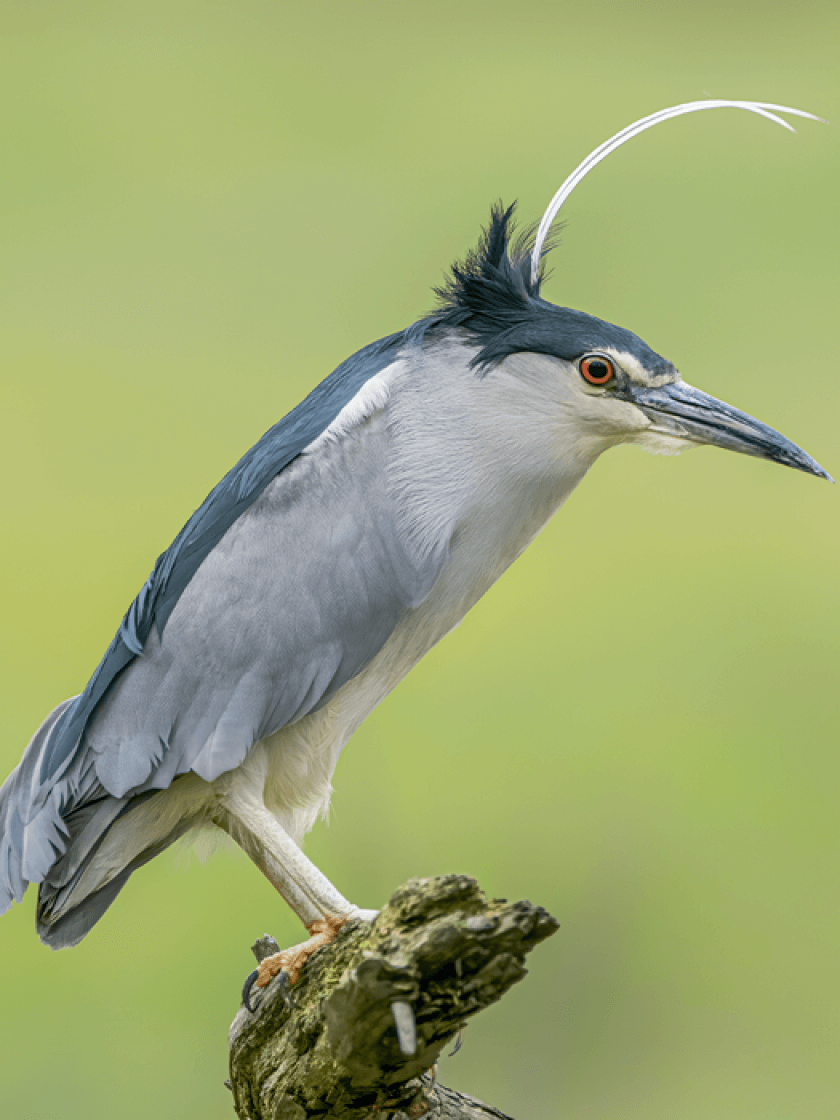
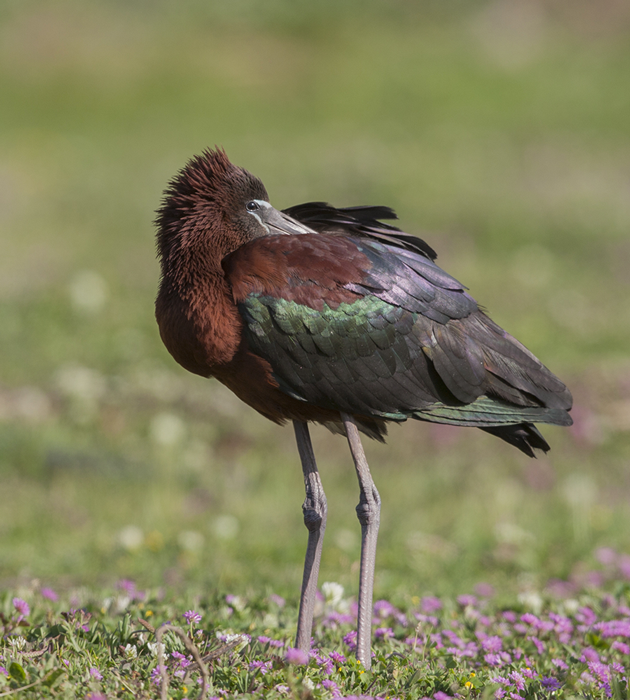
It lives near lakes, marshes, and rivers lined with dense vegetation.
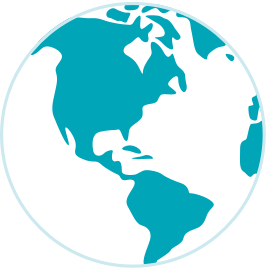
Costa Rica, Mexico, , Colombia, Brazil, Peru, Bolivia, Paraguay, Chile, Uruguay, Argentina, the Caribbean, South Africa, Madagascar, Mozambique, Zambia, Tanzania, Ethiopia, South Sudan, the Central African Republic, Guinea, Senegal, Ivory Coast, Europe, Ukraine, Pakistan, India, Thailand,
Myanmar, Indonesia.

65 cm
Wingspan: 105–112 cm

730–1,015 g

20–25 years in captivity

22–26 days
3–5 eggs

Fish-eating, insect-eating

La liste rouge mondiale de l’UICN des espèces menacées
Depuis les années 1960, l’Union Internationale pour la Conservation de la Nature publie la Liste rouge des espèces menacées. Les espèces sont classées dans des catégories indiquant le degré de menace auquel elles sont confrontées.
List the species that have not yet been assessed against the Red List criteria.
Includes species for which the best available data are insufficient to determine, either directly or indirectly, their risk of extinction.
List the species that are at low risk of extinction in the region in question.
Includes species that are close to meeting the quantitative thresholds for threatened species and that could become threatened if specific conservation measures are not taken.
Includes species threatened with extinction. Relatively high risk.
Includes species threatened with extinction. High risk.
Includes species threatened with extinction. Very high risk.
Refers to species that survive only in captivity or as part of a naturalized population.
A species of which there is no doubt that the last individual has died.